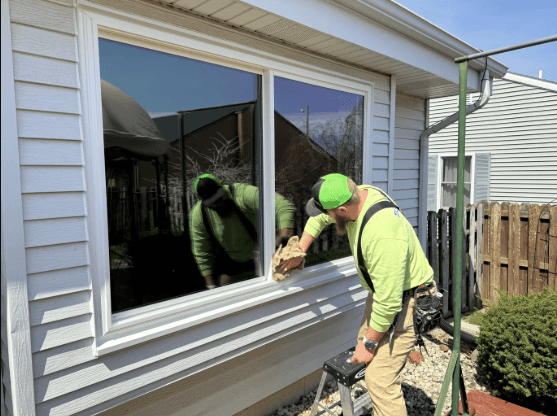
Energy-saving window upgrades combine better glazing, airtight frames, and smart controls to lower heating and cooling costs. They reduce drafts, limit unwanted solar gain, and improve comfort with modest payback timelines. Modern options also enhance sound insulation and data-driven monitoring for audits. Practical choices—durable frames, low-maintenance materials, climate-appropriate glazing—shape the overall value. For builders and homeowners alike, the next steps hinge on careful comparisons and site-specific performance data.
What Makes Energy-Saving Windows Worth It
Energy-saving windows are worth considering because they directly reduce heating and cooling costs while improving indoor comfort. The analysis shows measurable energy efficiency gains through insulated glazing, low-emissivity coatings, and improved frame airtightness. In addition, sound insulation improves perceived quietness in busy environments.
Practical benefits include lower utility bills, reduced HVAC cycles, and enhanced productivity, supporting a freer, more comfortable living or working space.
How Modern Technologies Cut Heat Loss
Modern technologies reduce heat loss by combining advanced glazing, airtight framing, and intelligent control systems. Data shows improved U-values and lower infiltration with layered insulation materials and precision manufacturing.
Smart glazing adapts solar gain and reduces peak loads, while continuous seals minimize drafts.
Practical results include measurable energy savings, predictable performance, and user-friendly interfaces that support consistent comfort and freedom to customize settings.
Choosing the Right Upgrades for Your Climate
Choosing the right window upgrades for a given climate requires matching performance targets to local conditions, measured by heat transfer (U-values), solar heat gain coefficients (SHGC), and air leakage rates.
The climate impact guides insulation basics, glazing options, and installation timing, with data-driven comparisons.
Practical selections prioritize durability, ease of maintenance, and compatibility with existing framing while preserving freedom to customize.
Practical Strategies to Maximize Savings Right Away
To maximize savings immediately, households should focus on actions with rapid payback and measurable impact on energy use.
Concrete steps include: scheduling energy audits for baseline data, upgrading frame materials with low-heat transfer, and implementing glare reduction tactics to lower cooling needs.
Cozy insulation improves comfort and efficiency, while continuous monitoring tracks savings and informs future upgrade decisions.
Frequently Asked Questions
How Long Does Installation Typically Take in a Home?
Installation duration varies by project scope, typically ranging from one to two days for standard replacements, with larger tasks extending to several days. The contractor scheduling relies on material availability, permits, and crew coordination for efficient execution.
Do Energy-Efficient Windows Affect Indoor Air Quality?
Energy-efficient windows can influence energy performance and indoor comfort by reducing drafts and improving sealing; they do not inherently degrade air quality, though proper ventilation remains essential to manage indoor pollutants and maintain healthy air.
Are There Tax Incentives or Rebates Available?
Tax incentives and rebate programs exist, varying by country, state, and project type. A data-driven analysis shows eligibility depends on product ratings, installation quality, and documentation; individuals seeking freedom should consult official government portals and trusted program guides.
How Do You Compare U-Values and SHGC Effectively?
Examining U-values and SHGC, one should compare numeric ranges, not rankings, by contrasting insulation and solar gain. The method: comparing u values, evaluating shgc across panes, frames, and climates, then weighting efficiency, comfort, and costs for freedom-minded decisions.
See also: The Impact of Technology on Education
What Maintenance Is Required for Different Window Types?
Maintenance for different window types includes regular maintenance schedules, sealing and insulation checks, and hardware lubrication. Data-driven assessments note frequencies vary by material, design, and exposure, prioritizing weatherstripping, glazing seals, and drainage efficiency for practical, freedom-seeking audiences.
Conclusion
Energy-saving window upgrades deliver measurable gains: lower energy use, richer comfort, quieter interiors, and increased home value. By reducing U-values and SHGC and tightening air leakage, homes require fewer heating and cooling cycles, saving dollars and emissions. With durable frames, low-maintenance materials, and climate-appropriate glazing, performance improves steadily. Modern controls enable data-driven decisions, audits, and ongoing optimization. In short, upgrades matter, costs decline, comfort rises, and value grows—consistently, reliably, and increasingly across seasons.