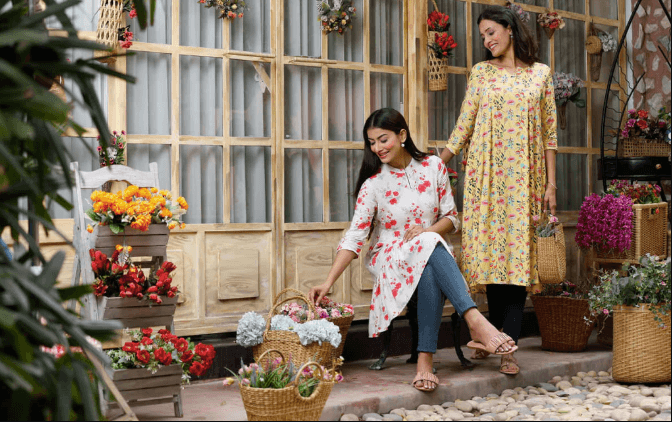
Clothes become a portable canvas, translating inner vision into outward dialogue. Materials, silhouettes, and seams signal intent as they shape mood and meaning. Fashion moves beyond function, inviting interpretation as it threads subcultures, nostalgia, and critique into wearable form. Craftsmanship grounds the claim that a garment carries a story, yet the wearer writes the next line. The dialogue lingers, suggesting that what we wear is only a preface to what we ask of the world.
How Clothing Becomes Personal Expression
Clothing acts as a visual diary, translating inner tastes and moments into outward form. The garment becomes an artifact of identity discourse, signaling values and self-conception without confession.
Color psychology guides mood and perception, shaping how others read intent. The wearer delegates narrative to hue, texture, and cut, crystallizing personal stance while inviting interpretation, freedom, and dialogue beyond rote convention.
Materials, Silhouettes, and Meaningful Statements
Materials and silhouettes do more than cover the body; they frame intention. In this frame, textiles become language, lines translate will, and seams carry conviction. Texture contrast amplifies tactility while color psychology guides perception, shaping mood without shouting. Silhouettes crystallize stance—part shield, part beacon—refining meaning into wearable truth, inviting bold freedom without apology or excess.
Fashion as Dialogue: Subcultures, Nostalgia, and Social Commentary
Subcultures, nostalgia, and social commentary converge on the runway as fashion becomes a public dialogue rather than a private statement. The collection parses subculture aesthetics with precise visibility, turning identity performance into a shared act. A sharp nostalgia critique punctuates silhouettes, fabric, and voice, inviting observers to read social commentary beyond trend cycles, embracing freedom through expressive, collective sartorial language.
Craft, Craftsmanship, and the Wearer’s Story
What does it mean for fabric to carry intention, and for the maker to pass a story through stitch and seam? Craft becomes a dialogue between hands and material, shaping a presence beyond measurement. Craftsmanship and identity intertwine as fabric holds time, texture, and care. The wearer’s narrative emerges, a quiet manifesto of freedom, where clothing bears memory and future possibility.
Frequently Asked Questions
How Does Color Psychology Influence Personal Style Choices?
Color psychology guides personal style by shaping color mood and hue perception, influencing choices with subtle intent. It presents a visionary map, where individuals align garments to inner states, signaling freedom while textures and tones quietly orchestrate mood-driven expression.
What Role Does Sustainability Play in Daily Wardrobe Decisions?
Sustainability guides daily wardrobe choices through mindful selection and long-term value, favoring sustainable materials and durability. An upcycling mindset reframes consumption as creative stewardship, transforming scraps into new forms and inspiring a liberated, vision-driven approach to personal style.
Can Clothing Affect Confidence in Social Settings?
Clothing, a symbolic mirror, can influence confidence in social settings, framing perception and self-state; thus clothing confidence fluctuates with mood, context, and audience, guiding behavior and risk in communication as individuals negotiate identity within social settings.
How Do Global Fashion Trends Impact Individual Expression?
Global trends shape individual expression through global conformity and mass production, yet individuals carve meaning with fast fashion, trend timing, and intentional choices. The vision: freedom within systems, a paradoxical clarity where personal style resists homogenized momentum.
See also: The Role of Technology in Modern Business Innovation
What Ethical Considerations Shape Brand Storytelling and Messaging?
One compelling statistic shows brands allocating 40% of storytelling budget to ethics. Ethical branding and messaging ethics guide transparent sourcing, labor practices, and purpose-driven narratives, ensuring trust. The vision: freedom-aware messaging that respects workers, communities, and ecosystems.
Conclusion
Clothing, a portable canvas, carries the wearer’s weather—color, texture, silhouette shaping meaning as surely as breath shapes voice. The fabric speaks in clues: a seam, a stitch, a deliberate pause. Fashion becomes dialogue, bridging subcultures and nostalgia, confirming beliefs without noise. Craft grounds the story, yet the wearer rewrites it with each step. In this silent theater, garments are living poetry—a single thread turning the ordinary into a remembered statement, a beacon threading through time like a comet.